
When a structural engineer writes 'ASTM A615 Grade 60' on construction drawings, it is not a suggestion — it is a legally binding specification. Yet, a significant volume of steel sold in Pakistan's market does not meet this standard. The consequences range from failed quality inspections to structural collapses.
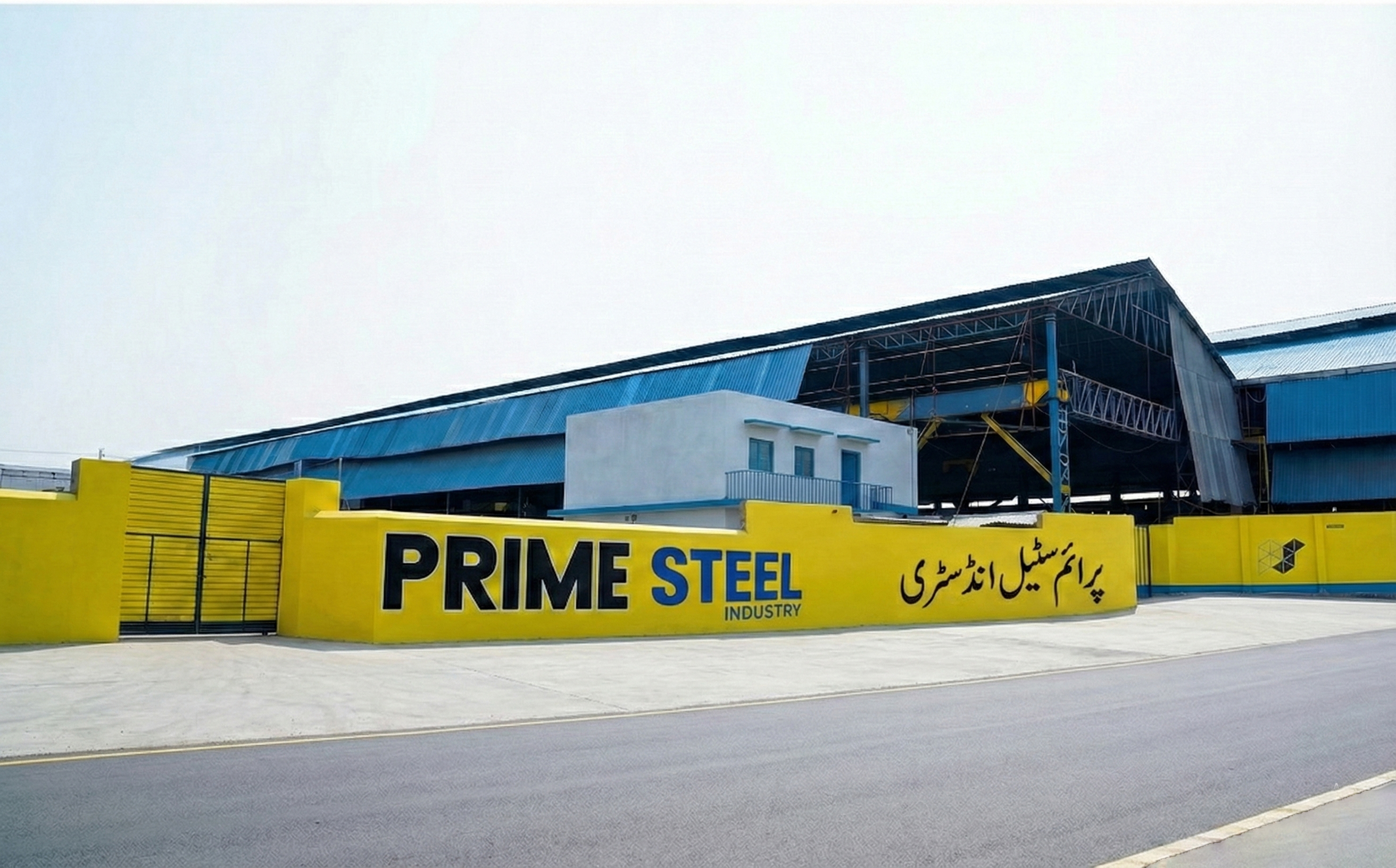
This article explains what ASTM A615/A615M is, what it requires, and why procuring certified steel from a verified manufacturer like Prime Steel Industry protects your project, your reputation, and human lives.
What is ASTM A615/A615M?
ASTM A615/A615M is an international standard published by ASTM International (formerly the American Society for Testing and Materials). It defines the specification for Deformed and Plain Carbon-Steel Bars for Concrete Reinforcement.
The standard covers:
- Chemical composition of the steel
- Mechanical properties — yield strength, tensile strength, elongation
- Deformation geometry — rib pattern, height, spacing
- Weight tolerances per unit length
- Bend test requirements
- Marking requirements — grade, heat number, manufacturer identification
Why Does Pakistan Use ASTM A615?
Pakistan's construction industry — particularly government, defence, and large-scale private projects — primarily references ASTM A615 due to its widespread adoption and rigorous testing framework. Government bodies such as MES (Military Engineering Services), FWO (Frontier Works Organization), NESPAK, and C&W Departments specify ASTM A615 in their procurement requirements.
Additionally, many international developers and consultants working in Pakistan — particularly on CPEC-linked and World Bank-funded projects — mandate ASTM compliance as a non-negotiable condition of supply.
Non-ASTM steel may pass visual inspection but fail catastrophically under seismic load — a critical risk factor in KPK's earthquake-prone terrain.
Key Requirements Under ASTM A615
Grade 40 Requirements:
- Yield Strength: 40,000 PSI (280 MPa) minimum
- Tensile Strength: 60,000 PSI (420 MPa) minimum
- Elongation: 11–12% depending on bar size
Grade 60 Requirements:
- Yield Strength: 60,000 PSI (420 MPa) minimum
- Tensile Strength: 90,000 PSI (620 MPa) minimum
- Elongation: 7–9% depending on bar size
Weight Tolerance: Maximum -5% below nominal weight per ASTM A615/A615M. This clause is frequently violated by sub-standard manufacturers who produce lighter bars to cut costs.
How to Identify Non-Compliant Steel
Warning signs of substandard rebar in Pakistan's market:
- No heat number or manufacturer marking on bars
- Ribs are shallow, irregular, or spaced incorrectly
- Bar weight per meter is lower than nominal (underweight bars)
- No mill test certificate or test report provided
- Price significantly below market rate
Always demand a Mill Test Certificate (MTC) from your supplier. A legitimate manufacturer will provide one for every batch supplied.
Prime Steel Industry and ASTM A615 Compliance
Prime Steel Industry has built its manufacturing process around full ASTM A615/A615M compliance:
- In-house Spectro-Lab for chemical composition analysis of every heat
- Mechanical testing — yield, tensile, elongation, and bend tests on every batch
- Dimensional checks — diameter, rib geometry, and weight per meter
- ISO 9001:2015 certified quality management system
- PSQCA (Pakistan Standards and Quality Control Authority) registered
Our steel bars are marked with the Prime Steel logo, bar size, and grade — fully traceable from furnace to site.
Conclusion
ASTM A615/A615M is not a bureaucratic formality — it is the engineering backbone of safe construction. In a region like KPK with active seismic zones, certified steel is not optional. It is a structural necessity.
Prime Steel Industry is one of KPK's few manufacturers with documented, batch-tested ASTM A615 compliance. For technical data sheets, test certificates, or procurement inquiries, contact our sales team today.